
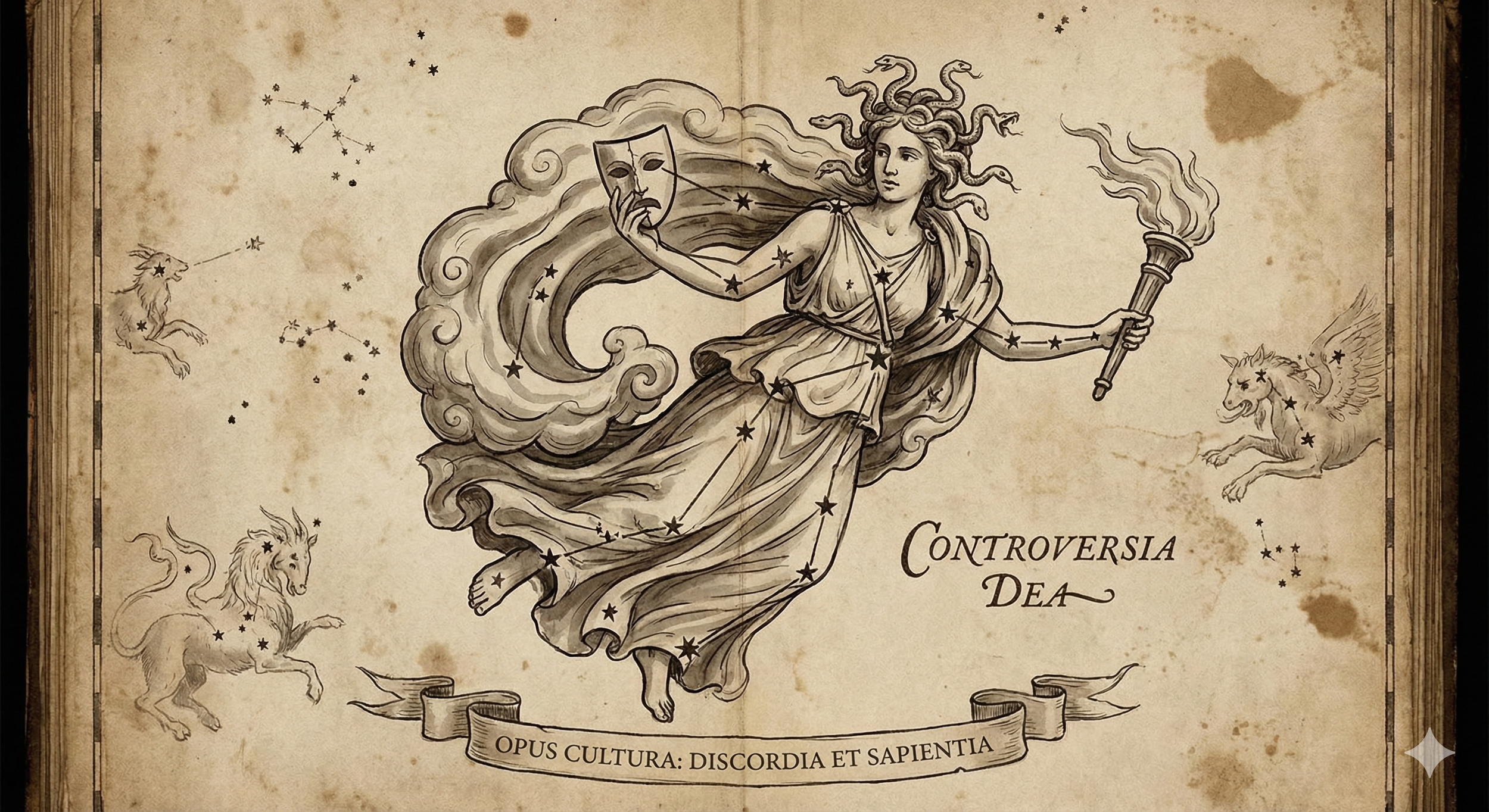
Biggest Art Lawsuits, Insurance Claims, and Controversies of 2025
A.K.A. the debates that may change how we work.
I. The Legislative Restoration: Restitution and Repatriation
The legal landscape for historical justice underwent a radical cleaning this year, stripping away the grime of procedural delays that have long obscured the path to recovery.
The HEAR Act of 2025 (Expansion): In December 2025, the U.S. Senate unanimously propelled this landmark legislation which significantly broadens the 2016 law. The Act aggressively eliminates sunset clauses and bars traditional defenses such as "laches" (unreasonable delay) or "international comity" (one country deferring to another). This shift ensures that the heirs of Nazi victims can pursue looted works without the clock acting as an additional constraint.
The Cleveland Museum of Art Repatriation: Following decades of diplomatic maneuvering, the museum finally agreed to return a $20 million bronze statue to Turkey. This decision underscores a growing institutional realization that possession does not always equal provenance.
Estate of Leffman v. Metropolitan Museum of Art: This ongoing litigation continues to scrutinize the Met regarding pre-sale diligence for works allegedly lost during the chaos of the Second World War. It remains a cautionary tale for every collections manager who views old provenance as settled provenance.
II. The Silicon Scuffles: Generative AI and Copyright
The courts are currently sketching the boundaries of creativity in an era where the artist is often an algorithm.
Thaler v. Perlmutter: A U.S. court definitively affirmed that artwork created entirely by Artificial Intelligence cannot receive copyright protection. The ruling establishes that the human spark is not merely a romantic notion but a legal necessity.
News & Authors v. OpenAI/Microsoft: A massive, consolidated multi-district litigation (MDL) in the Southern District of New York is currently managing twelve high-profile cases. These authors and news outlets allege that the unlicensed training of AI models on their copyrighted works constitutes a digital heist of unprecedented scale.
Warner Chappell Music v. Nealy: The Supreme Court held that the Copyright Act allows monetary recovery for any timely infringement claim, regardless of the historical distance of the original offense. This ruling effectively razes the statute of limitations for damages.
III. The Insurance Absurdities: "Oomph" and Disavowal
In the world of high-dollar claims, the definition of damage has become increasingly abstract, leading to fascinating clashes between collectors and carriers.
The Perelman "Oomph" Lawsuit: In September 2025, a New York judge rejected billionaire Ronald Perelman’s $410 million claim against Lloyd’s of London. Perelman argued that five masterworks by Warhol, Ruscha, and Twombly lost their "vibrancy" and "oomph" following a 2018 fire. The court ruled that intangible loss does not constitute physical damage, dismissing the claim.
Drax Fine Art v. Sam Gilliam Foundation: This $6 million lawsuit, filed in July 2025, challenges the foundation’s disavowal of a 1972 drape painting. The foundation claims a restoration damaged the work irreparably, while the collectors argue this is a form of market manipulation. It highlights the power of an estate to negate the attribution of a work with a single statement.
Beloff Estate v. Pace Gallery: Filed in early 2025, this suit accuses Pace Gallery of tortious interference after the gallery disputed the authenticity of a Louise Nevelson sculpture just moments before it was to be auctioned at Sotheby’s.
IV. Institutional Implosions and Frauds
The business side of art often mirrors the drama of a Greek tragedy, replete with hubris and spectacular falls from grace.
Guggenheim v. Asher: The 37-year legacy of the advisory firm Guggenheim Asher Associates collapsed in a spectacular legal blowout. The founders filed mutual lawsuits alleging fraud, tax evasion, and the misappropriation of over $20 million.
Grossman LLP v. Philip Falcone: A major fraud judgment was obtained against hedge-fund manager Philip Falcone in late 2025, marking a significant victory for transparency in the private market. Falcone sued his lender over loan defaults on art collateral (a diamond ring in this case), but the law firm Grossman LLP counter-sued for fraud, proving Falcone lied about the piece’s status, leading to a significant fraud judgment against Falcone.
Jeff Koons Copyright Victory: In a rare moment of defense, Jeff Koons defeated a four-year copyright lawsuit in April 2025 after a judge ruled the plaintiff’s claims were time-barred.
V. The Physical Plunders: Security and Theft
Despite our digital obsessions, the physical artifact remains vulnerable to the old-fashioned smash-and-grab.
The Louvre Jewel Heist: A major security breach in 2025 exposed critical gaps in the museum’s defense of its high-value decorative arts. It served as a stark reminder that a clever theif can still unlock the most fortified institutions, and caused every registrar in the world to say “I told you so”.
The "America" Gold Toilet Convictions: In March 2025, two men were finally convicted for the 2019 theft of Maurizio Cattelan’s $6.1 million solid gold toilet. It is a relief to see this flush of justice go down the drain.
VI. Controversies of Governance and Censorship
Institutions often find themselves trapped between their funding sources and their social responsibilities.
Smithsonian Censorship & DEI: Artist Amy Sherald canceled her solo show at the National Portrait Gallery and, instead, installed it at the Baltimore Museum of Art after the institution attempted to redact a work depicting a transgender woman. This occurred as the U.S. government pressured the Smithsonian to dismantle its DEI department amid threats of federal funding cuts to the institution.
British Museum "Pink Ball" Backlash: The museum faced international condemnation for hosting a gala in the gallery housing the Parthenon Marbles. Greece branded the event an insult proving once again that a party in a contested space is never just a party.
Noguchi Museum Keffiyeh Ban: The museum faced significant protests and the high-profile rejection of awards (notably by author Jhumpa Lahiri) over a staff dress code policy banning the Palestinian keffiyeh.
Sources for Further Research:
