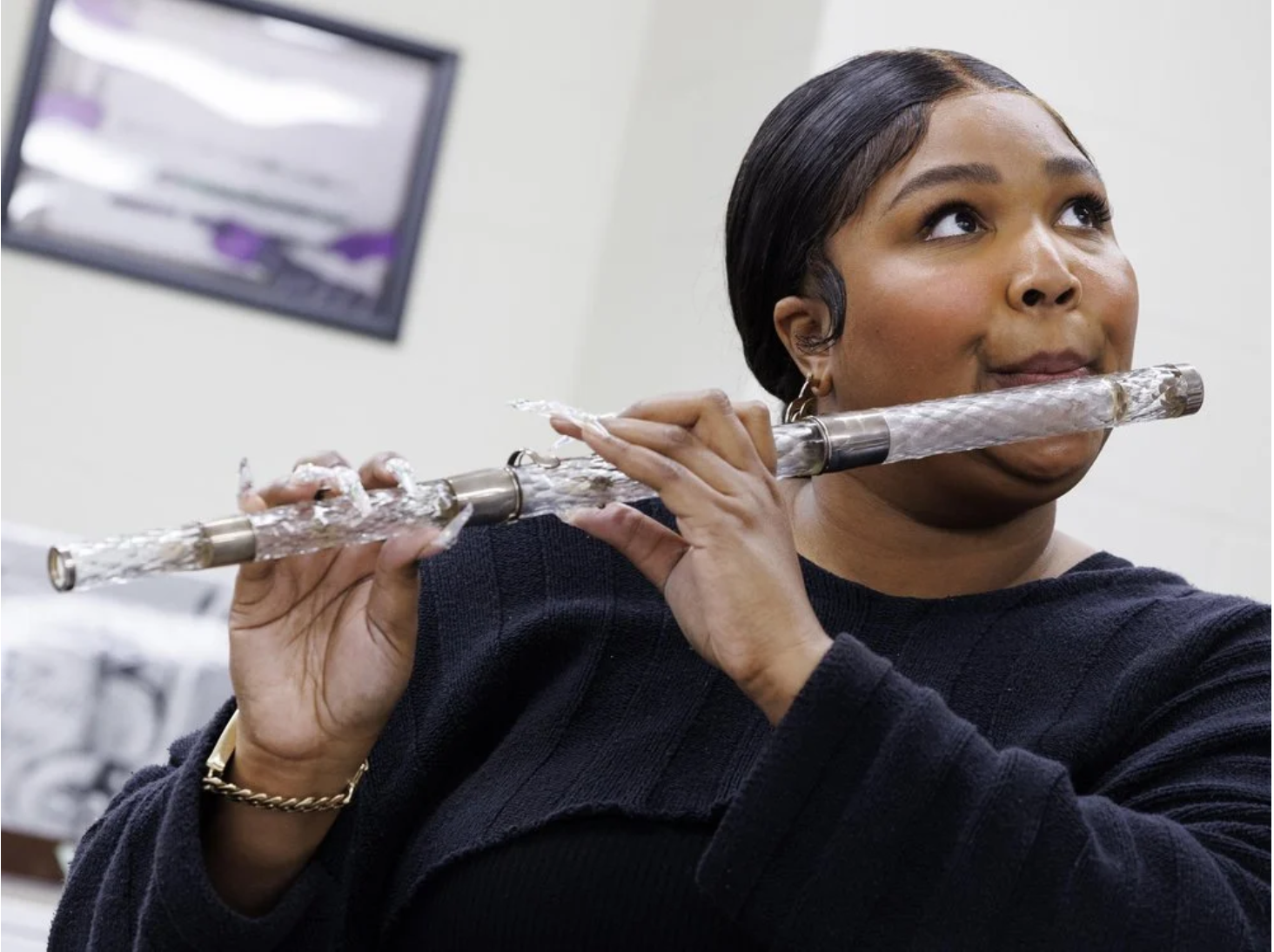
This week, pop artist Lizzo received a lot of attention for playing a 200-year-old crystal flute once owned by James Madison. The Library of Congress offered Lizzo the chance to play the flute when she arrived in Washington, D.C. for her performance. Classically trained Lizzo toured the collection prior to performing and later played the flute on stage to make history as the “first person to ever play the flute”. A team from the Library of Congress escorted the flute to the venue and directly into the pro’s deft hands on stage. It was historic, and it was fun.

Why Do It Anyway?
The idea of questioning the purpose of caring for collections and thus the jobs of registrars, conservators, shippers, insurers, attorneys, curators, administrators, archivists educators, and more stems from the furor from my colleagues surrounding the multiple incidents of climate activists gluing themselves to works of art. Naturally, when your job requires you to take a symbolic bullet for your collection, a nauseating incident like this fans angry flames.
The Registrar's Dilemma
As an independent collections manager/registrar, I have this fantasy/nightmare about meeting with a new private collector client, and with the ink still wet on the NDA, I greet a famously stolen object, like the Vermeer from the Isabella Stewart Gardner Museum heist, in the parlor of their Upper East Side townhouse in New York when I visit their collection for the first time. A decision confronts me: report the work and face a lawsuit for breaking my confidentiality and confidence with my client and who knows what else, versus remaining silent and, consequently, excusing the actions that led to the acquisition of the object.
The Great Migration?
Collection storage grabs the recent headlines as the Museum Boijmans van Beuningen opens the Boijmans Depot in the Netherlands and thus creates a new, publicly-accessible facility while closing its main building in Rotterdam for renovation. In addition, this complaint-disguised-as-an-article in Hyperallergic naively suggests we should have less storage for our institutions and fails to offer a plan for what to do with un-exhibited collections. So, I will offer some ideas. The implication of which suggests a great cascade of object redistribution may have begun.


